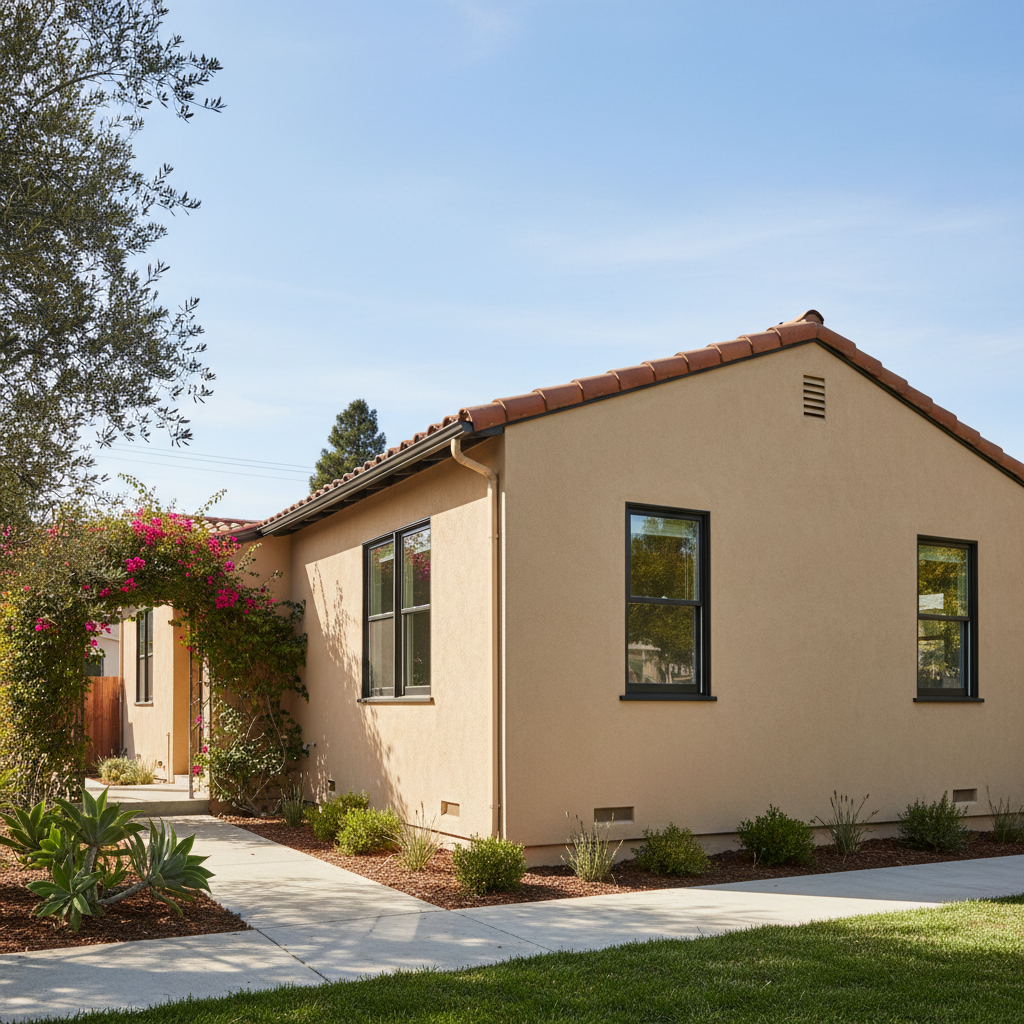
Tearing off old exterior plaster is not like pulling down drywall or ripping up old carpet. When you decide to strip exterior cladding down to the studs or sheathing, you are opening up the envelope of your house. Sunnyvale Stucco & Plastering gets calls all the time from property owners who jumped into a demolition project without a real plan, only to find themselves facing massive cost overruns and exposed framing vulnerable to local Bay Area weather patterns.
If you are gearing up for a major exterior overhaul in neighborhoods like Lakewood or near Ortega Park, you need to know what can go wrong before the first hammer swings. The actual pitfalls that trip people up deserve a closer look.
Underestimating the Scope of Hidden Damage
The biggest mistake you can make is assuming the wall structure behind your plaster is pristine. Traditional hard-coat stucco applied over wire lath can hide years of slow moisture intrusion. If you have hairline cracks that went ignored through the rainy winter months, water might have already compromised your plywood sheathing or framing studs.
Failing to budget for framing repairs is a recipe for trouble. Sunnyvale Stucco & Plastering has opened up walls in older Sunnyvale ranch homes to find dry rot and termite damage that was not visible from the outside. Always set aside a contingency fund in your project budget so you are not caught off guard when structural wood needs replacement.
Hiring Based Solely on the Lowest Bid
Stripping plaster is messy, loud, and labor-intensive work. It requires proper containment, heavy-duty debris hauling, and careful handling around window frames and electrical lines. When you get three quotes and one is suspiciously cheaper than the rest, run the other way.
Lowball contractors often cut corners on disposal fees, skip essential weather-resistive barriers, or hire untrained day laborers who might damage your property's structural elements. Make sure whoever you hire is properly licensed, insured, and explicitly includes complete debris cleanup in their contract. Stucco debris is heavy and dense; you do not want bags of Portland cement and wire mesh sitting in your driveway for weeks.
Neglecting Local Permits and Regulations
Some homeowners think that removing and replacing exterior finishes is purely cosmetic and does not require municipal oversight. That is a fast track to headaches with the city. Changing exterior assemblies often triggers building code requirements, especially regarding energy efficiency, flashing details, and weep screeds at the base of the wall.
Skipping permits can bite you hard when it comes time to sell your property. Future buyers and home inspectors look closely at exterior modifications. Make sure your contractor pulls the required permits from the City of Sunnyvale building department right from the start.
Taking the time to plan your exterior renovation correctly saves you money and protects your biggest investment. Do your homework, hire experienced local pros, and keep your eyes open before you strip away your home's defenses.