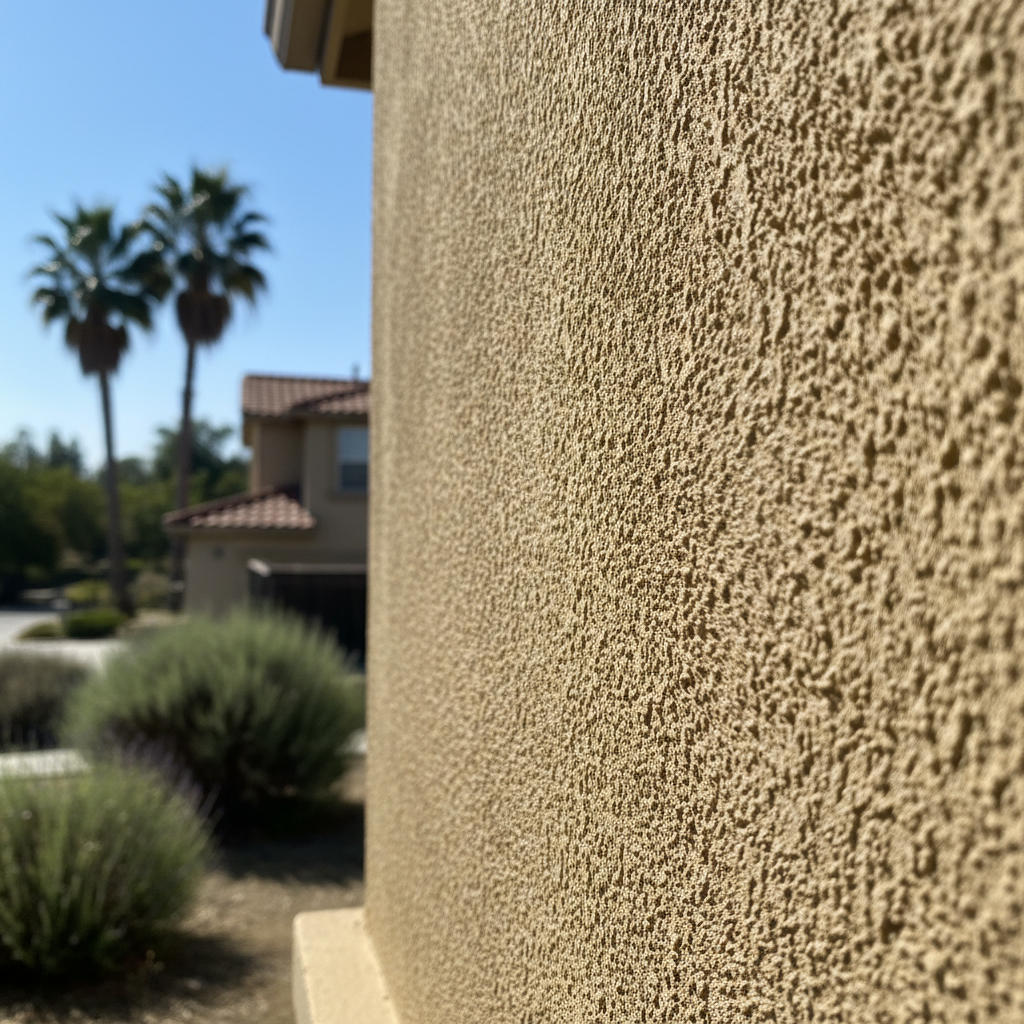
So, you're eyeing your stucco home and thinking it could really use a fresh coat of paint. Maybe the color's just faded, or you've got a few minor scuffs here and there. Painting stucco isn't anything like painting drywall inside your house; it's a completely different ballgame. As someone who's worked on countless stucco homes right here in Sunnyvale, I can tell you there's definitely a right way to do this, and, well, a wrong way.
Before You Even Think About Paint
First things first: you can't just slap paint on stucco and expect it to look good or last. Prep work? That's probably 70% of the whole job when you're painting stucco. Skip it, and you'll be repainting sooner than you think. Trust me on this one.
- Check for Damage: Walk all the way around your house. Look for cracks, crumbling stucco, or any spots where the stucco might be pulling away from the wall. Even tiny hairline cracks need attention. Paint won't fix structural problems; it'll just cover them up for a bit, and they'll likely pop back up, often looking worse, right through that new paint. If you see anything more than a small surface crack, you're probably looking at a repair job before you can even think about painting. This is exactly where Sunnyvale Stucco & Plastering comes in handy; we can check it out and fix those issues properly.
- Clean, Clean, Clean: Stucco gets dirty, plain and simple. Dust, pollen, algae, mildew – especially on north-facing walls that don't get much sun, or in shaded areas, which are pretty common in older neighborhoods like Fairwood. You absolutely need to power wash the whole surface. Use a mild detergent if you have to, but be super careful with the pressure. Too much pressure can actually damage the stucco, particularly if it's older or a softer mix. Start with a wide fan tip and keep the nozzle moving. Let it dry completely – and I mean *completely* – for at least 2-3 days, maybe longer if it's been humid. Painting over damp stucco? That's just asking for peeling paint down the line.
- Patch and Prime: Once it's clean and dry, patch any small imperfections. For little cracks (think credit card thin), an elastomeric patch compound made for stucco works great. For bigger cracks or holes, you'll need a proper stucco patch. After patching, you absolutely, positively need to prime. Stucco is porous, and primer helps seal it up, gives you a nice uniform surface for the paint, and makes sure the paint sticks well. Don't skimp on the primer, especially if you're changing colors dramatically.
Choosing the Right Paint (It Really Matters!)
This isn't the time to grab the cheapest exterior paint you can find. Stucco needs specific types of paint that can handle its unique properties and, let's face it, our local climate.
- Elastomeric Paint: This is often the top recommendation for stucco. It's flexible, which means it can bridge small hairline cracks and expand and contract right along with the stucco as temperatures change. This flexibility is key to stopping future cracking in the paint film. It's usually thicker and more expensive, yes, but it offers fantastic waterproofing and durability.
- Acrylic Latex Paint: A good quality 100% acrylic latex exterior paint is also a solid choice. It's breathable, letting moisture vapor escape from the stucco, which is really important. Look for paints specifically made for masonry or stucco. Avoid oil-based paints; they don't breathe well and can trap moisture, leading to all sorts of problems.
- Color Choice: Think about the sun. Sunnyvale gets plenty of it, doesn't it? Lighter colors reflect heat, which can help keep your home cooler and stop the stucco from getting excessively hot and expanding. Darker colors absorb heat, which can put more stress on the stucco and the paint over time.
The Painting Process: DIY or Pro?
Alright, so you've prepped and picked your paint. Now for the actual painting.
- DIY: If your house is a single story, relatively small, and you're comfortable on a ladder, you can probably tackle this yourself. You'll need good quality exterior rollers (thick nap for stucco's texture), brushes for trim and corners, and maybe a sprayer if you're experienced with one. Rollers will give you a good thick coat, but they can be slow and tiring on textured stucco. A sprayer is faster but needs careful masking and can be tricky to get even coverage without drips. Always put on two coats for the best results and durability.
- When to Call a Pro: If your house is two stories or more, has complex architectural details, or if you're just not comfortable with heights and ladders, call a professional painter. They have the right equipment (scaffolding, commercial sprayers), experience, and insurance. Also, if you found significant stucco damage during your inspection, or if you're dealing with EIFS (synthetic stucco), you definitely want a pro who understands those materials. Painting EIFS is a whole different beast and requires specific breathable coatings.
After the Paint Dries
Once your beautiful new paint job is done, keep an eye on it. Periodically check for any new cracks or signs of peeling. A good paint job on properly prepped stucco should last you a solid 10-15 years, sometimes even more, especially with quality elastomeric paint. Regular cleaning (a gentle hose down, not power washing) can help keep it looking fresh. Enjoy your refreshed home!