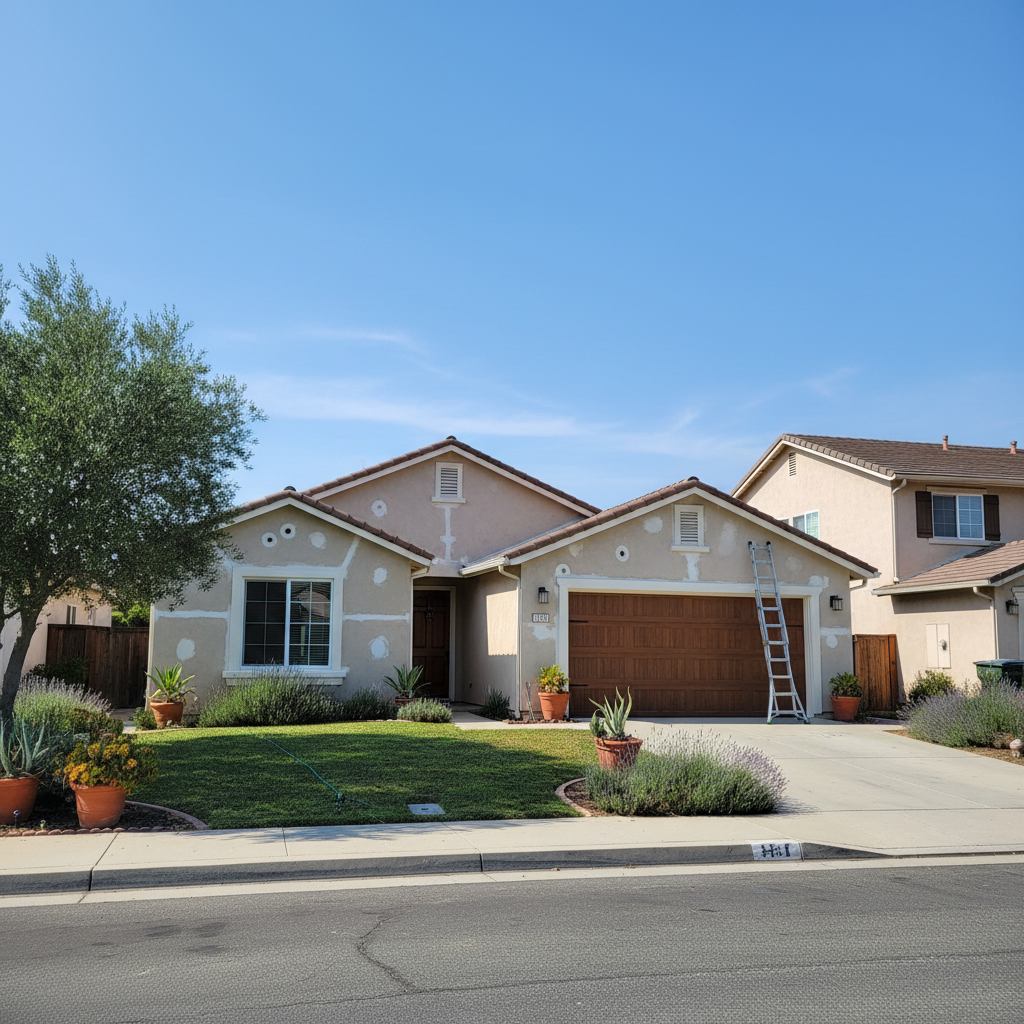
You wouldn't skip an oil change on your car, right? Well, your home's stucco is pretty similar. It's your first line of defense against our Bay Area weather, and if it's not doing its job, you've got bigger problems brewing. I'm talking about stucco inspection, and it's not just for when you're selling your house, believe me.
Why Regular Stucco Checks Matter Here in Sunnyvale
Look, we don't get extreme blizzards or hurricanes, but our climate still puts stucco through its paces. We get those cool, damp mornings, then hot, dry afternoons. That constant expansion and contraction can really stress materials over time. Plus, we've got a lot of homes here in Sunnyvale, from the older Eichlers to the newer developments near Moffett Park, and each era has its own stucco quirks and common failure points.
A lot of folks think stucco is just a decorative finish, but it's a critical part of your home's weatherproofing. If water gets behind it, you're looking at potential dry rot, mold, and structural damage. And trust me, those repairs are way more costly than a proactive inspection.
What I'm Looking For During an Inspection
When I come out to a Sunnyvale home for a stucco inspection, I'm not just giving it a quick once-over. I'm looking for specific signs that tell a story about your stucco's health. Here's a rundown of what's on my checklist:
- Cracks: Not all cracks are created equal, you know. Hairline cracks are often just cosmetic, but larger, spiderweb, or stair-step cracks can indicate movement, water intrusion, or even structural issues. I'll check around windows, doors, and corners where stress often concentrates.
- Moisture Intrusion: This is the big one. I'm looking for water stains, efflorescence (those white powdery deposits), or any signs that water is getting where it shouldn't. Sometimes it's obvious; other times, it needs a moisture meter to really pinpoint problem areas, especially around flashing or penetrations.
- Flashing and Sealants: These are your stucco's weak points. I'll inspect the flashing around windows, doors, rooflines, and any other transitions. If sealants are cracked, missing, or improperly applied, water will find a way in. This is super common around chimneys and where different materials meet.
- Drainage Issues: How's the landscaping around your foundation? Are sprinklers hitting the stucco directly? Is there proper grading to direct water away from the house? These external factors can significantly impact your stucco's longevity.
- Delamination or Spalling: This is when the stucco starts to separate from the wall or flake off. It's a clear sign of moisture damage or improper application.
- Previous Repairs: I'll also look at any past repair patches. Were they done correctly? Do they blend in, or are they failing? Sometimes a bad repair can cause more problems than the original damage.
Why Local Expertise Matters for Stucco Inspections
You might think stucco is stucco, no matter where you are. But that's just not true, especially in a place like Sunnyvale. Our soil conditions, for example, can be a factor. We're in an active seismic zone, and even small tremors can cause hairline cracks over time. Plus, the types of homes we have, from the mid-century moderns in Fairwood to the newer townhomes, often have different construction methods and materials that require a specific eye.
Someone who's been working on homes in this area for years, like us at Sunnyvale Stucco & Plastering, knows what to look for. We've seen the common issues that pop up in specific neighborhoods, the way our climate affects different stucco types, and what solutions actually work long-term here.
Don't wait until you see a big, ugly stain on your wall. A professional stucco inspection can save you a lot of grief and money down the road. It's a small investment for the protection of your home.