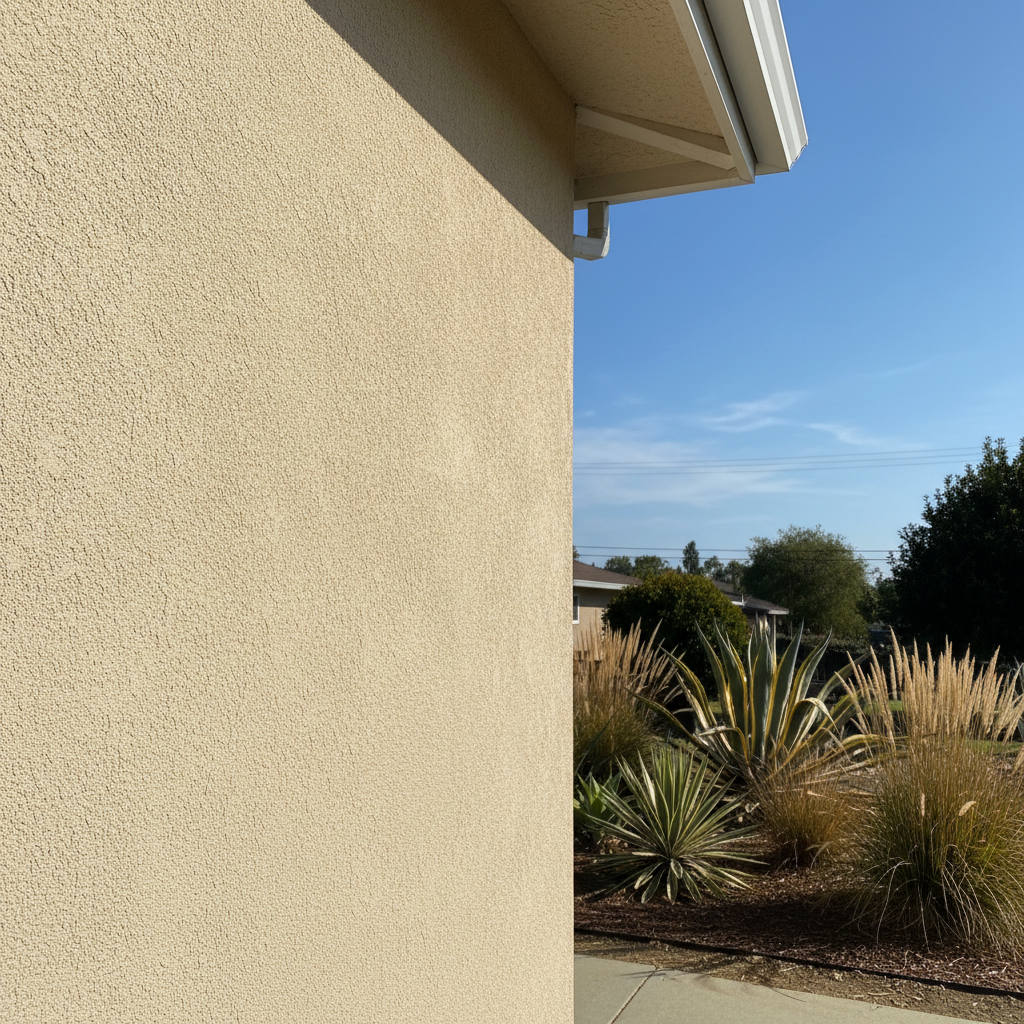
So, you've got stucco on your house, and maybe you've spotted a crack or a stain. Happens, right? Stucco's tough stuff, but it's not indestructible, especially with our Bay Area weather. I hear a lot of the same questions from homeowners around here, so I figured I'd just lay out some straight answers. No fluff, just what you need to know from someone who's been doing this in Sunnyvale for years.
What's causing these cracks in my stucco?
Cracks are probably the most common thing people call me about. There are a few main culprits. Small, hairline cracks? A lot of times, that's just normal house movement or the stucco drying and shrinking a bit. Think of it like concrete; it's going to move. If your house was built on some of that clay soil we have in parts of Sunnyvale, especially the older neighborhoods near downtown, you might see more of this. That's because of the soil expanding and contracting. Larger, spiderweb cracks, or ones that run diagonally from window and door corners? Those can point to more significant structural movement, and that's when you really need to get someone out to look at it. Sometimes it's just the framing settling; other times, it could be foundation issues. We always check the whole wall, not just the crack itself, to figure out the root cause.
How do I know if my stucco damage is serious or just cosmetic?
This is a big one. Hairline cracks, like I mentioned, are often cosmetic. You can usually patch them up, paint over them, and you're good to go. But if you see cracks wider than a credit card, or if you can push on the stucco and it feels soft or crumbles, that's serious. Any dark staining below windows, or around plumbing fixtures, or if you've got actual holes where you can see the lath underneath? That's not just cosmetic; that's probably water intrusion, and it needs immediate attention. Water behind stucco can lead to wood rot, mold, and bigger, more expensive problems down the line. Don't ignore those signs, okay?
Can I just patch a small area, or do I need to re-stucco the whole wall?
It really depends on how bad the damage is and what you expect it to look like when we're done. For small, isolated cracks or dings, patching is absolutely an option. We can match the texture and color pretty closely, but let's be honest, stucco fades over time. A fresh patch, even with the best color match, might look a little different from the surrounding older stucco, especially if the wall hasn't been painted recently. If you're really particular about a seamless look, or if the damage is spread out over a large area, then re-stuccoing the whole wall (or even the whole house) might be the better long-term solution. It's an investment, but it gives you a uniform, fresh finish. Here at Sunnyvale Stucco & Plastering, we'll always give you both options and explain the pros and cons.
What's the deal with efflorescence on my stucco?
Efflorescence is that white, powdery stuff you sometimes see on stucco, brick, or concrete. It's basically mineral salts that get dissolved by water, then as the water evaporates from the surface, it leaves the salts behind. It's usually a sign that water is getting into the wall somewhere and then drying out. It's not necessarily damaging the stucco itself, but it's a red flag that you might have a moisture issue behind the wall. We'll clean it off, but more importantly, we'll try to find out where the water's coming from. Could be a leaky gutter, a sprinkler hitting the wall, or even water wicking up from the foundation. Fix the water source, and the efflorescence usually stops.
How long does stucco repair typically take?
That's like asking how long a piece of string is, right? It totally varies. A small patch job for a few hairline cracks? We could be in and out in a day, sometimes even just a few hours. If we're talking about repairing a larger section of water-damaged stucco — where we have to remove old material, let the framing dry out, maybe replace some wood, then apply new stucco layers (scratch, brown, finish coat) — that could take several days, sometimes even a week or more. It all depends on the size and weather conditions for drying. We always give you a clear timeline upfront once we've assessed the damage.
Will the repaired stucco match my existing stucco's color and texture?
We do our absolute best to match it, but it's not always a perfect clone. For texture, we're pretty good at replicating most common finishes like sand float, dash, or smooth. Color is the trickier part. Stucco, like paint, fades and changes over time due to sun exposure and weather. We'll take a sample and try to mix a custom color that blends in. If your stucco is really old or significantly faded, a perfect match might be impossible without painting the entire wall after the repair. We'll discuss this with you before we start so you know exactly what to expect. Sometimes, the best repair is one that's barely noticeable, even if it's not 100% identical.
What can I do to prevent future stucco problems?
Good question! A little preventative maintenance goes a long way. First, keep an eye on your gutters and downspouts; make sure they're clean and directing water away from your house. Check your sprinklers to ensure they're not constantly drenching your stucco walls. Seal around windows and doors regularly – those caulk lines don't last forever. If you see small cracks forming, address them early before they become pathways for water. A fresh coat of elastomeric paint every 5-10 years can also add an extra layer of protection and help seal minor imperfections. Basically, keep water away from your walls, and if you see something, say something (to us!).