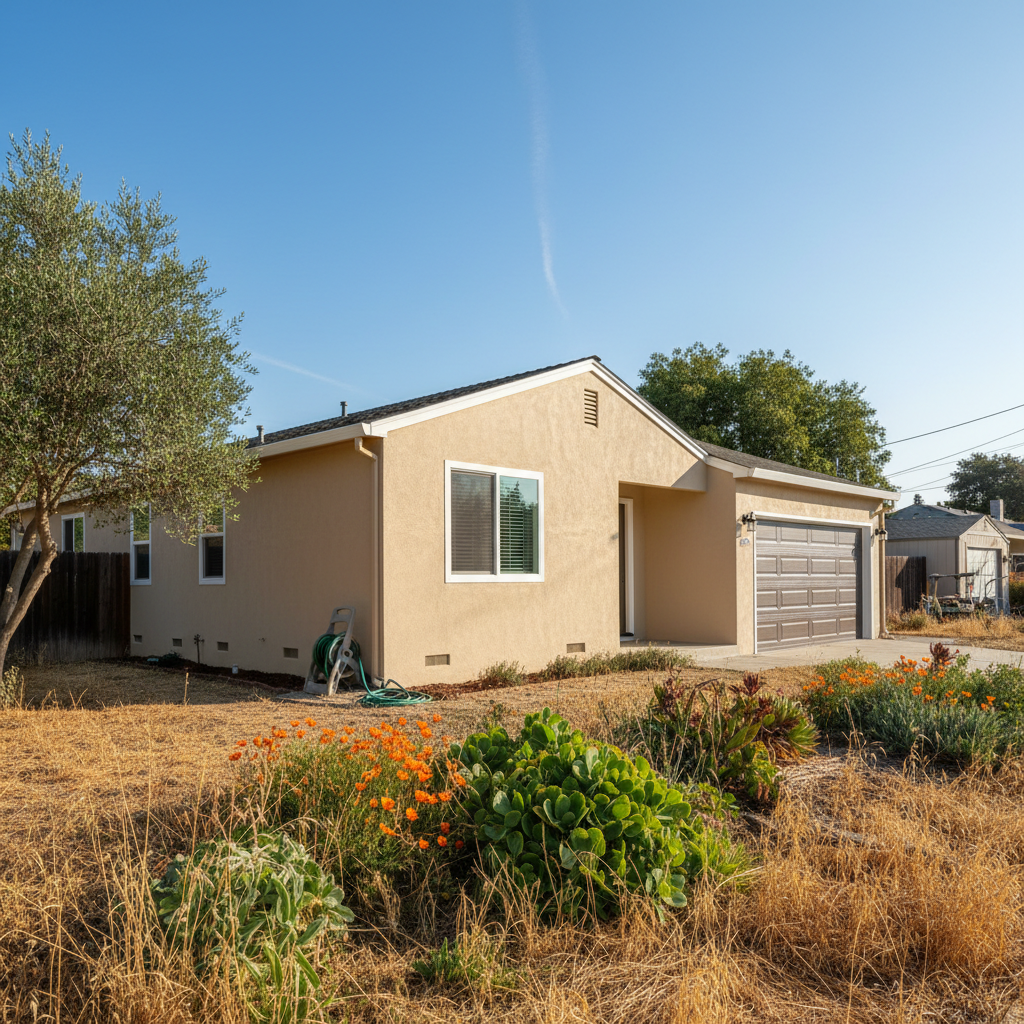
Let's talk about painting Stucco here in Sunnyvale. You have a very durable exterior on your home, and when it is time for a fresh coat of paint, you want it done correctly. It is not just about picking a color; it is about understanding our local Sunnyvale climate and how it affects the lifespan of your paint job. As a local professional with Sunnyvale Stucco & Plastering, we have seen what works and what does not work.
When is the Best Time to Paint Stucco in Sunnyvale?
The best time for Painting Stucco in Sunnyvale is usually in the late spring, summer, and early fall. We choose these seasons because of temperature, humidity, and rain. These are the three important factors for a successful paint job.
- Spring (April to May): This is a good time to start thinking about Painting Stucco. Temperatures are mild, generally between 50°F and 85°F. This temperature range is perfect for most paints to adhere and cure properly. Humidity levels are moderate, and rain becomes less frequent as we get further into the season. You should still watch for late-season showers.
- Summer (June to September): This is a very good time for Painting Stucco. We have warm, dry conditions and minimal rain interruptions. The longer daylight hours also mean our crews can work more efficiently. Surfaces can get very hot in the direct sun, especially in the afternoon. We will talk more about that soon.
- Early Fall (October to November): This is still a solid choice for Painting Stucco. Temperatures are usually back in that ideal range, and humidity is lower. You will find fewer weather-related delays than in winter.
Weather Conditions That Affect Stucco Painting
Our Bay Area microclimates are unique. One minute it is foggy near the Bay, the next it is very hot inland. Sunnyvale generally has a mild Mediterranean climate, but even here, you must consider a few things:
- Temperature: This is very important. Paint needs to cure, not just dry. The ideal temperature range is usually between 50°F and 85°F. If it is too hot, above 90°F, the paint can dry too fast. This can lead to issues like poor adhesion, brush marks, or even cracking. If it is too cold, below 50°F, the paint will not cure properly. It can stay tacky and attract dirt, or even wash off. In Sunnyvale, our summer afternoons can push those upper limits, especially on south or west-facing walls. Sunnyvale Stucco & Plastering often starts early to avoid the heat on these surfaces.
- Humidity: High humidity slows down drying and curing. This can lead to peeling, flaking, or uneven finishes. Low humidity can cause paint to dry too quickly. Our humidity levels are usually comfortable, but a foggy morning, which is common in parts of the Bay Area, can make surfaces damp even if the air feels dry. You cannot paint on a damp surface.
- Rain: You cannot paint in the rain. Even after it rains, you need to wait at least 24 to 48 hours for the Stucco to dry completely before Painting Stucco. Sunnyvale's rainy season is typically from November to March. February is often the wettest month. Scheduling a paint job during these months is risky and often causes delays.
- Wind: Strong winds can cause uneven drying. Wind can also blow dust and debris onto your freshly painted walls. We get some breezy days here in Sunnyvale, so this is something we always consider.
Protecting Your Stucco Investment Year-Round
Getting a quality paint job is an important step. Protecting that investment means some year-round attention. Our Sunnyvale climate, with its dry, warm summers and cooler, wetter winters, can be tough on Stucco.
- Regular Inspections: We tell all our clients to do a visual check of their Stucco at least once a year. This is especially important after our winter rains. Look for hairline cracks, chips, or any signs of moisture intrusion around windows, doors, and the base of your home in Sunnyvale. Our daily temperature fluctuations can cause Stucco to expand and contract, leading to these small cracks. Catching them early means a simple repair instead of a costly fix later.
- Cleanliness: Dirt, mildew, and even sprinkler overspray can degrade your Stucco and paint over time. A gentle, low-pressure wash with a mild detergent can help. Just make sure to let it dry completely before inspecting for any new issues.
- Sealants and Caulking: Pay attention to the areas where different materials meet. This includes around windows, doors, and trim. Gaps here are prime entry points for moisture. Keeping these areas properly sealed and caulked is important for preventing water damage. Water damage can ruin your Stucco and paint from behind.
- Quality Paint Matters: When you do paint your Stucco, make sure you are using high-quality elastomeric or 100% acrylic paints. These paints are not just for color. They are designed to be flexible, bridging hairline cracks and resisting UV damage from our strong California sun. They also allow the Stucco to breathe, preventing moisture from getting trapped.
Your home is one of your biggest assets. Taking care of its exterior, especially the Stucco, is important for maintaining its value and protecting it from the elements. If you have questions or need help with your Stucco, Sunnyvale Stucco & Plastering is here to help. Sunnyvale Stucco & Plastering provides Painting Stucco services for homes in Sunnyvale, CA.